October 11, 2026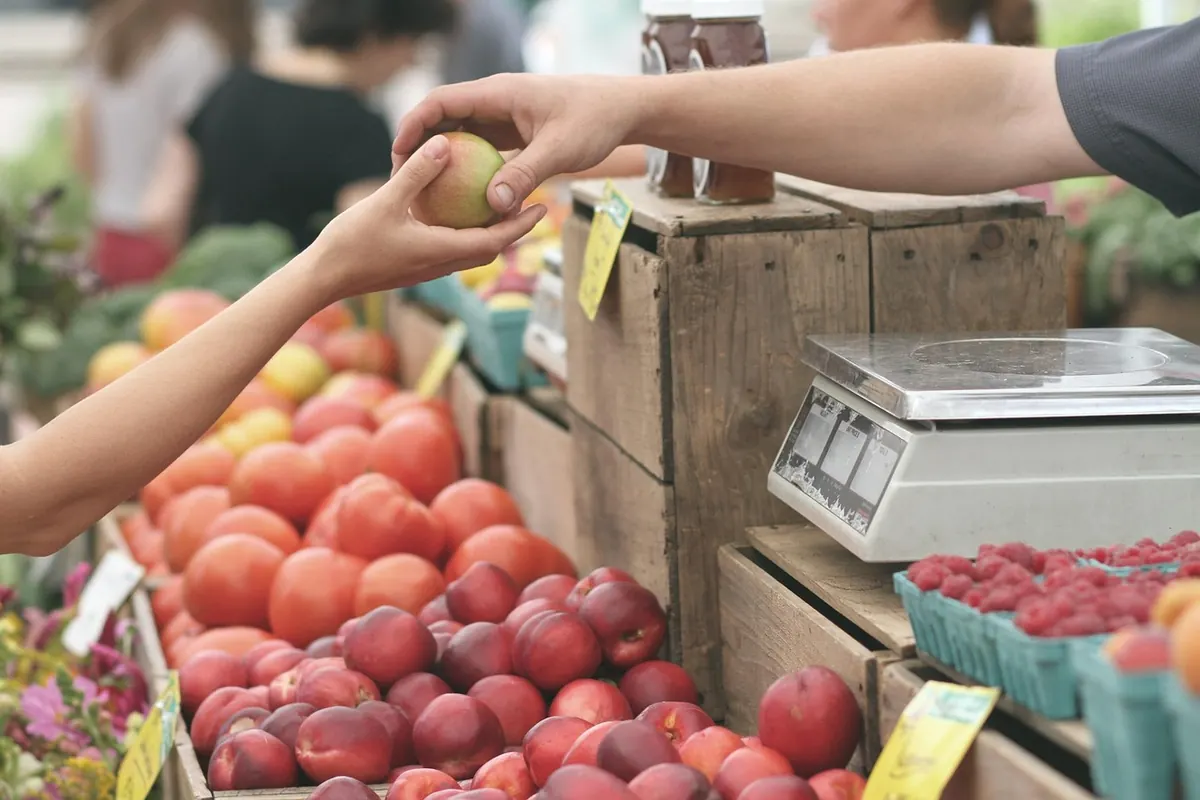
Cumbria's food calendar is written by the weather as much as by any organiser. Ask someone who shopped in Keswick in May what they came home with and you'll get a very different answer from a visitor in October. Spring means lamb and wild garlic; summer belongs to the shows; autumn brings damsons, apples and game; winter is for smoked fish, pickles and anything you can carry home from a Christmas market. Here's how the year shapes up, and how to plan a day around it.
Spring: Blossom, Wild Garlic and Quiet Markets
Spring is the quietest and, in many ways, the most rewarding stretch of the Cumbrian food year. Market stalls are still trading through the cold months, but by April the produce has changed. Wild garlic appears in the woods around Grasmere, Rydal and the Kentmere valley, and it turns up in pestos, butters and cheeses on deli counters within days of being picked. New-season lamb from fell flocks starts to arrive at butchers, and the first spring greens and rhubarb show up alongside it.
In the Lyth Valley, damson blossom draws people out in April, and the local celebrations that surround the fruit itself usually happen later in the year. Easter weekend is when several towns dust off their outdoor stalls for the first time, and the markets in Kendal, Penrith and Ulverston feel like they've woken up. If you want to talk to a producer without a queue behind you, this is the season to do it.
Summer: Shows, Sports and Village Fairs
From June onwards, the county fills up. The Cumberland Show near Carlisle traditionally opens the agricultural season, followed by the summer shows that sit at the heart of rural life: Cartmel Show in August, the Lowther Show near Penrith, Ambleside Sports in late July, and the smaller shows at Eskdale, Brough and Ravenstonedale that most visitors never hear about. Food is not the main event at these, and that's the point.
What you'll actually find at a Lakeland show:
- Butchers' trailers selling Cumberland sausage by the ring, usually in a long, coiled rope
- Produce tents where prize-winning jams, chutneys, bread and pies are displayed before being sold off
- Ice cream made within a few miles of the field, often from a single herd
- Local ales and cider, plus the occasional perry, at temporary bars
- Tea and cake marquees run by village committees, which is where the best baking tends to be
Arrive before eleven if you want parking and before the lunchtime crush at the food stalls. Bring cash, as not every trailer takes a card, and a cool bag if you're planning to buy meat.
Autumn: The Busiest Season of the Year
September is when Cumbria's food calendar hits its peak. The Westmorland County Show at Crooklands is a big day out, and the Taste Cumbria festival in Carlisle brings producers, demonstrations and street food together over a weekend. Egremont Crab Fair, with its long tradition and its gurning contest, lands in the same month, and the Lyth Valley's damsons are harvested and turned into gin, jam and sauce.
October belongs to apples and game. Orchards, including the National Trust's at Acorn Bank near Temple Sowerby, often hold apple days with pressing, tasting and identification of unknown varieties from your own garden. Pheasant, venison and partridge appear at butchers, and the shepherds' meets at Wasdale Head and Buttermere — usually in September and October — are as much social occasions as shows, with food stalls to match.
Winter: Christmas Markets and Indoor Halls
By November the action moves indoors. Ulverston's Dickensian Festival turns the town into a Victorian street scene for a weekend, and Christmas markets follow in Carlisle, Kendal, Penrith and Keswick through late November and December. This is the season for the things Cumbria does best in small quantities: rum butter, Cumberland sauce, smoked fish, damson gin, Christmas puddings and hams.
When the outdoor markets thin out, remember the covered ones. Carlisle's market hall, Kendal's indoor market and Ulverston's market all trade through the winter, with butchers, bakers, cheesemongers and greengrocers under one roof. They're warmer, calmer and easier to shop properly.
Farmers' Markets All Year Round
Town markets run weekly — Keswick's is usually Thursday and Saturday — while farmers' markets in Kendal, Penrith, Ulverston, Brampton and elsewhere typically run monthly. Days shift, so check the town council or tourism website before you travel; a wasted journey in February is a particular kind of disappointment.
A few tips for shopping them well:
- Go early for the best meat, bread and cheese; go late for bargains, but accept that the good stuff has gone.
- Ask what's local and what's simply regional. Stallholders are usually honest, and it's a fair question.
- Buy seasonally. If it's February tomatoes at a Cumbrian market, they've travelled.
- Take your own bags and a cool box in the car for anything chilled.
- Note the producer's name. If you like something, you can often buy again directly, or find them at another market the following month.
Planning a Day Around the Food
Pick one anchor event and build the day around it rather than trying to chain three together. Cumbrian roads are slow, and a show that looks twenty minutes away on a map can take an hour in August traffic. Check dates a week ahead, since some events move with the calendar or the weather, and book accommodation early for September weekends, when the county is at its busiest.
If you're travelling with dietary needs, ring ahead for festival days — small producers are usually accommodating, but a marquee stall can't always improvise. For anything involving food allergies or a medical condition, take your own advice from a qualified professional rather than relying on a stallholder's reassurance.
Above all, leave room in the plan. The best Cumbrian food day is often the unplanned one: a market you didn't know about, a butcher who hands you a sample of something you'd never have chosen, a flapjack bought from a village hall table on the way home.
Photo: Pexels / Pixabay