September 18, 2026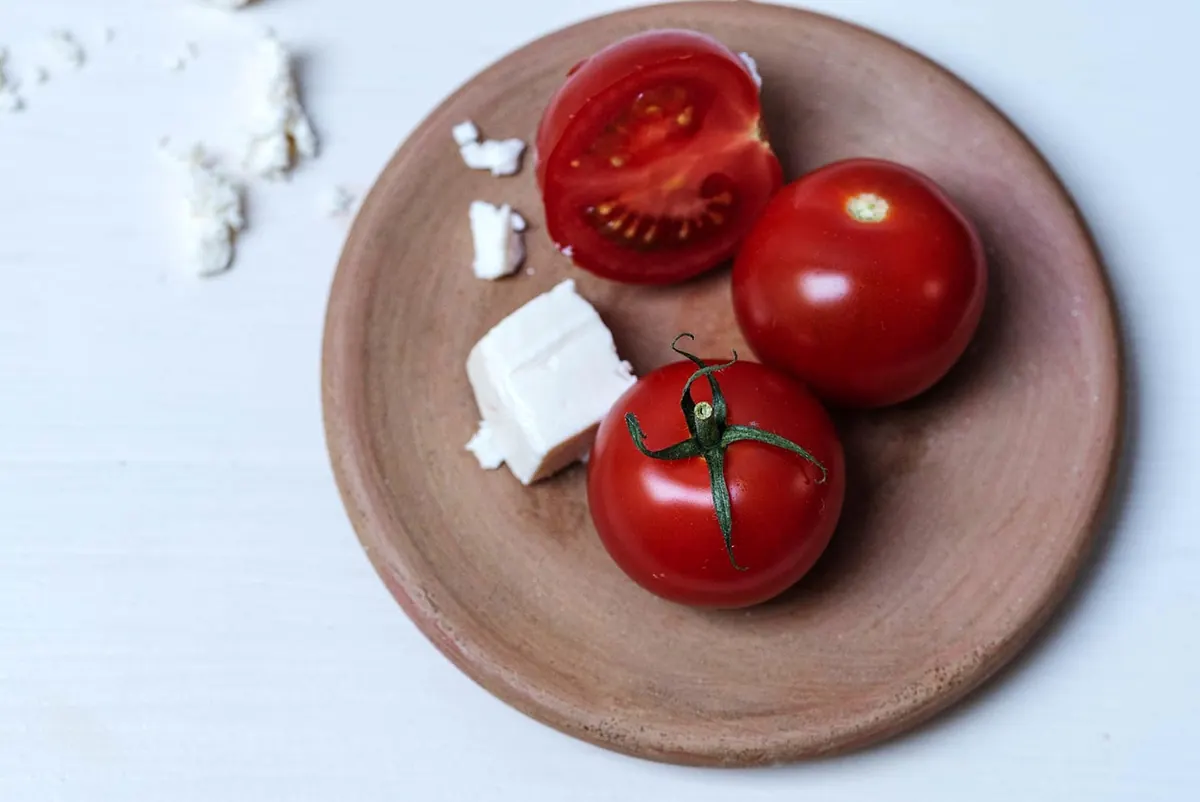
Cumbria is better known for Herdwick lamb and Cartmel sticky toffee pudding than for cheese, but that is changing. Within an hour's drive of Kendal there are small dairies making soft, blue and hard cheeses from the milk of upland herds, and much of it never leaves the county. A Cumbrian cheeseboard is simply a way of eating that well: three cheeses, a few things to go with them, and a little thought about how they are served.
Start With Three Cheeses, Not Ten
Three is the number that works. One soft, one blue, one hard gives you variety without turning the table into a buffet, and it means every cheese on the board can be properly ripe rather than a row of half-finished wedges.
For four to six people, plan on roughly 100g of cheese per person if the board is part of a meal, and closer to 150g if it is the main event. Buy from a counter where you can taste before you commit. A good cheesemonger will cut a wedge to order, tell you when it was made, and let you try it. Pre-cut supermarket packs are fine in a pinch, but they are often sealed too young and give you no way of knowing what you are getting. If you are in Kendal, try Booths or Low Sizergh Barn; in Carlisle, look for a proper deli counter; in Cockermouth, ask at the market. The point is to buy less cheese, but better cheese, and to buy it close to when you plan to eat it.
It also helps to think about the board itself. A flat slate, a wooden paddle or a large plate all work. You do not need a dedicated cheeseboard. What you do need is enough room to cut each cheese without smearing it into the next one, and a separate knife for each if you can manage it. Strong blues and soft whites do not improve each other when they mix.
Pick a Soft Cheese You Can Serve With a Spoon
Soft, white-rinded cheeses are the easiest place to start. Look for a brie-style cheese such as Eden Valley Brie from Appleby Creamery, or Crofton from Thornby Moor Dairy near Thursby. Both are made in small batches and both are at their best for a short window, so buy them close to when you plan to eat them.
How to tell if one is ready: press the top very gently with a finger. It should give slightly, like the pad of your thumb. If the centre feels firm under a soft rind, it is still chalky inside and needs a day or two at room temperature, or a week in the fridge, to finish ripening. If it is bulging and smells of ammonia, it has gone too far. Take it out of the fridge an hour before serving. Cold mutes the flavour and makes the paste feel rubbery. Cut a soft cheese into wedges rather than slices, and serve it with a spoon or a spreader so people can take the ripe, oozing middle without demolishing the whole wedge.
If you want something a little different, try a smoked soft cheese from the same county. Appleby Creamery makes a smoked version of its Eden Valley cheese, and the gentle smoke sits well with oatcakes and a little chutney. It is not a purist's choice, but it is a crowd-pleaser, and it shows how varied Cumbrian dairy can be.
Add a Blue and a Hard Cheese
With a soft cheese in place, you need contrast. That is where a blue and a hard cheese come in. They do different jobs: the blue wakes up your palate, and the hard cheese gives everyone something familiar to come back to.
The Blue: Something Sharp and Savoury
Cumbrian blues tend to be milder and creamier than a roaring Stilton, which makes them a good entry point for anyone who thinks they do not like blue cheese. Look for Eden Valley Blue from Appleby Creamery, or Fell from Thornby Moor Dairy. Both have a gentle tang rather than a harsh bite, and both are excellent with something sweet.
Serve blue cheese in a wedge or a rough chunk. Let it come to room temperature, but do not let it sit out for hours. A little blue goes a long way, so 80–100g is plenty for four people. If the cheese is very salty, pair it with a slice of pear, a dab of damson jam or a piece of fruit cake. If it is creamier, try it with a plain oatcake and a few
Photo: LidiaSt / Pixabay