September 27, 2026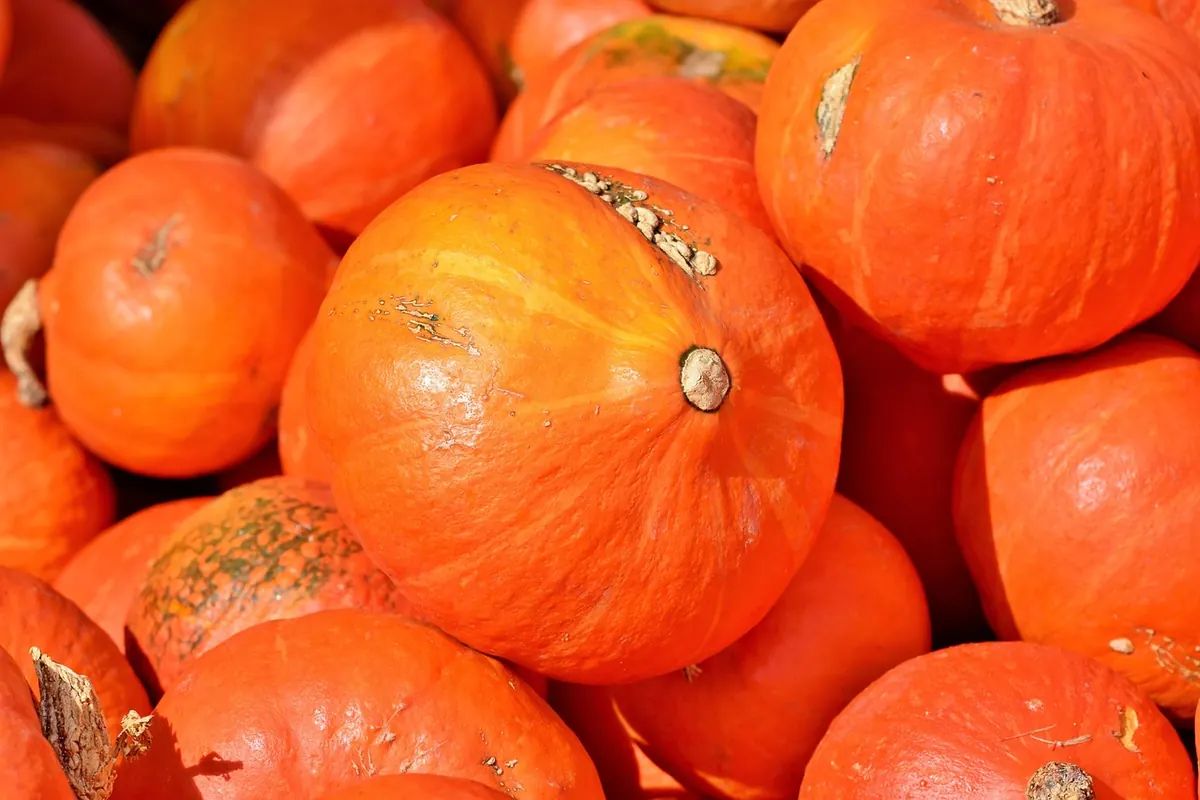
Cumbria doesn't run to a national timetable. A garden at the head of Borrowdale can be three weeks behind one on the Solway plain, and the coast shrugs off frosts that blacken the fells. That spread is useful: somewhere in the county, something is always ready.
A wet May or a warm September will shift everything by a fortnight, so treat the months below as directions rather than rules.
January and February: the root cellar months
Winter buying is mostly about what keeps: parsnips, swedes, carrots, celeriac and Jerusalem artichokes, leeks standing in the ground, January King and Savoy cabbages, curly kale and Brussels sprouts. From late February the first purple sprouting broccoli arrives. Stored apples carry the kitchen through — old Westmorland varieties such as Keswick Codlin and Duke of Devonshire were raised in the county and still turn up at market.
Make roots earn their place
Roast parsnips hot and fast so the edges catch. Grate celeriac with mustardy mayonnaise. Mash swede with plenty of butter and black pepper. Keep a glut cool, dark and barely damp — a box of just-moist sand in a shed will hold roots for weeks.
January is the last full month for pheasant, with venison carrying the winter. Mussels are at their best in the cold months, and Cumbrian kitchens smell of marmalade, though the Seville oranges are not ours.
March, April and May: the hungry gap and the first green
From March into early May the stored crops are thinning out and the new ones are barely showing. This is the hungry gap, and it rewards a bit of foraging and a bit of patience.
Wild garlic appears first in damp woods, often in sheets. Pick the leaves before the white flowers open and use them in pesto, soup, butter, or folded through scrambled eggs. Nettles, sorrel and watercress follow. Take only where you have permission, never grub up roots, and be certain of your identification before anything reaches the pan.
Purple sprouting broccoli runs to mid-April alongside spring greens and spinach, and outdoor rhubarb starts in earnest. English asparagus arrives at the end of April and runs through May and June; choose firm spears with tight tips and eat them within a day or two. By May there are salad leaves, radishes, spring onions and elderflower in the hedges. A plate of asparagus, new potatoes and good butter is the whole point of the month.
- Use roots differently — pickle them, roast them, mash them with mustard, or simmer them into soup.
- Lean on the year-round backbone — Cumbrian cheese, eggs and meat are good in every month.
- Buy the glut twice over and freeze half of it.
June and July: soft fruit, new potatoes and samphire
Strawberries come first, then gooseberries and raspberries, with currants from the warmer corners of the county. New potatoes, peas, broad beans, courgettes, French beans and soft herbs all arrive at once. Samphire is cut from the Morecambe Bay marshes from around June to August; rinse it, blanch it for a minute, and toss it with butter and lemon.
On the coast, mackerel turns up in numbers through the summer, along with crab, lobster and sea trout. Morecambe Bay brown shrimp — the base of potted shrimps — is a summer fishery, and a pot of them on hot toast is one of the county's best small meals.
Whinberries
Towards the end of July the whinberries ripen on the fells. They are tiny, sharp and stubborn to pick, and they stain your fingers purple for a day. Freeze them spread out on a tray, then bag them for winter pies and crumbles.
August and September: whinberries, damsons and the start of game
August is abundance: whinberries at their peak, blackberries, elderberries and hazelnuts in the hedges, grouse from the twelfth, sweetcorn and the first squash. Field mushrooms appear after warm, wet weather — take an experienced eye with you, or leave them be.
September belongs to damsons. The Lyth Valley and the lanes around Underbarrow and Crosthwaite are thick with them. Too sharp to eat raw, they make jam, damson cheese and damson gin, which needs nothing but fruit, sugar and time. Apples and pears begin in the old Westmorland orchards, and the shellfish improves as the water cools.
October and November: apples, sloes and shellfish
Main apple harvest lands in October. Press some for juice and cook the rest into chutney. Sloes are ready after the first frost — prick them, bottle them with sugar and gin, and put them away for next winter. Rosehips and elderberries join them in the hedgerows.
Frost improves the garden: parsnips, kale and sprouts all sweeten after a cold snap. Leeks, celeriac and Jerusalem artichokes are in their prime. Salt marsh lamb from the Solway is at its best through autumn, game fills the butcher's tray, and mussels and oysters come back to their best.
- Whinberries and blackberries frozen flat on trays
- Damson gin and sloe gin started, labelled and left in a cool cupboard
- Apple chutney and rosehip syrup for the winter shelf
- Herbs chopped into ice cube trays with oil
December: sprouts, geese and the shortest days
Nothing much grows, but the keeping crops are at their best: Brussels sprouts, leeks, kale, red cabbage, celeriac, parsnips and Jerusalem artichokes. Order a goose or turkey from a local farm well ahead, since the good ones go early. Venison, ham and a board of Cumbrian cheese belong on the list too.
December is also for planning. Note what ran out too soon and what you never got round to using, then order a veg box for January while the good intentions are fresh.
Shopping and cooking by the calendar
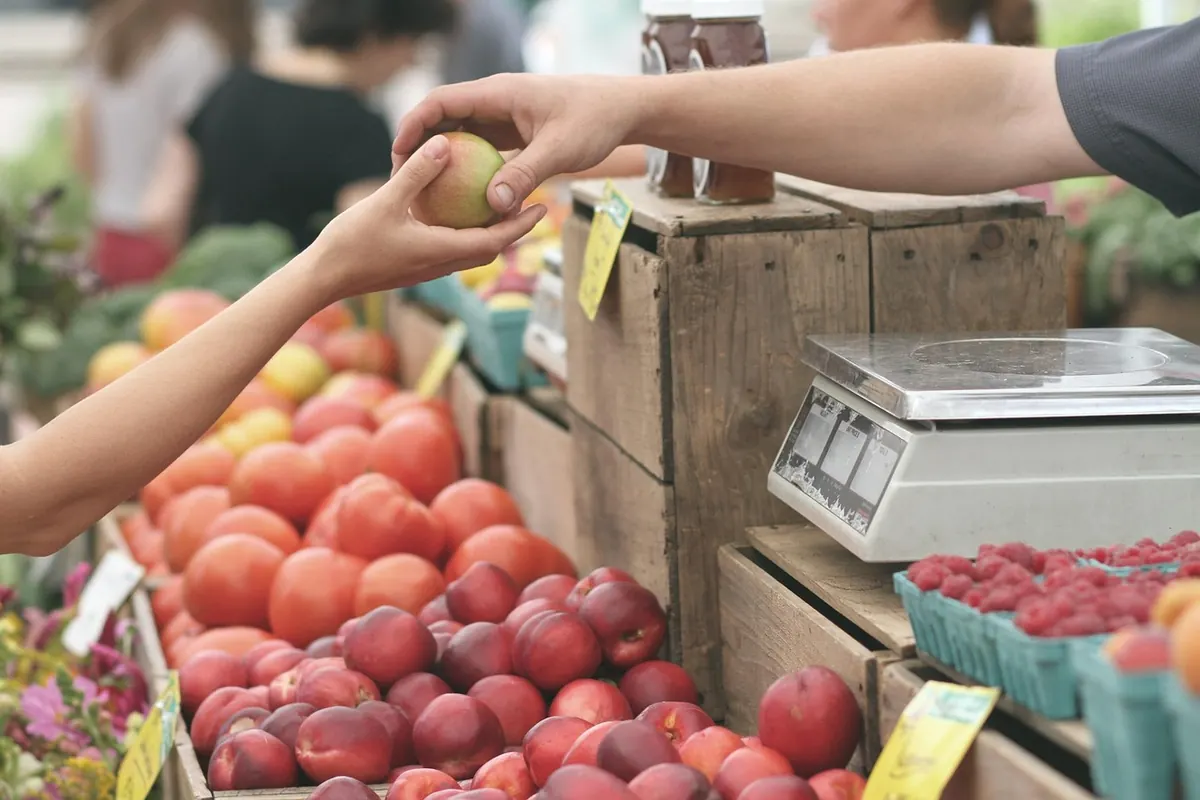
Seasonal shopping here is less about rules than habits. Go to the market or farm shop once a week rather than once a month, and ask what has just come in. Stallholders will tell you honestly, and it is usually better than anything on a list.
Farmers' markets in Kendal, Penrith, Carlisle and Ulverston, farm shops, honesty boxes at the end of lanes and veg boxes all sell food that has travelled a few miles rather than a few hundred. Buy the glut and preserve it; keep the quiet weeks lean and simple. If you forage or buy shellfish, be sensible: take only what you can use, be sure of what you have, and buy shellfish from a reputable source.
The best question at a Cumbrian market stall isn't "what's local?" — it's "what's good today?"
Keep this calendar pinned up, cross out whatever doesn't match the weather, and cook what's in front of you.
Photo: Ralphs_Fotos / Pixabay