November 28, 2026
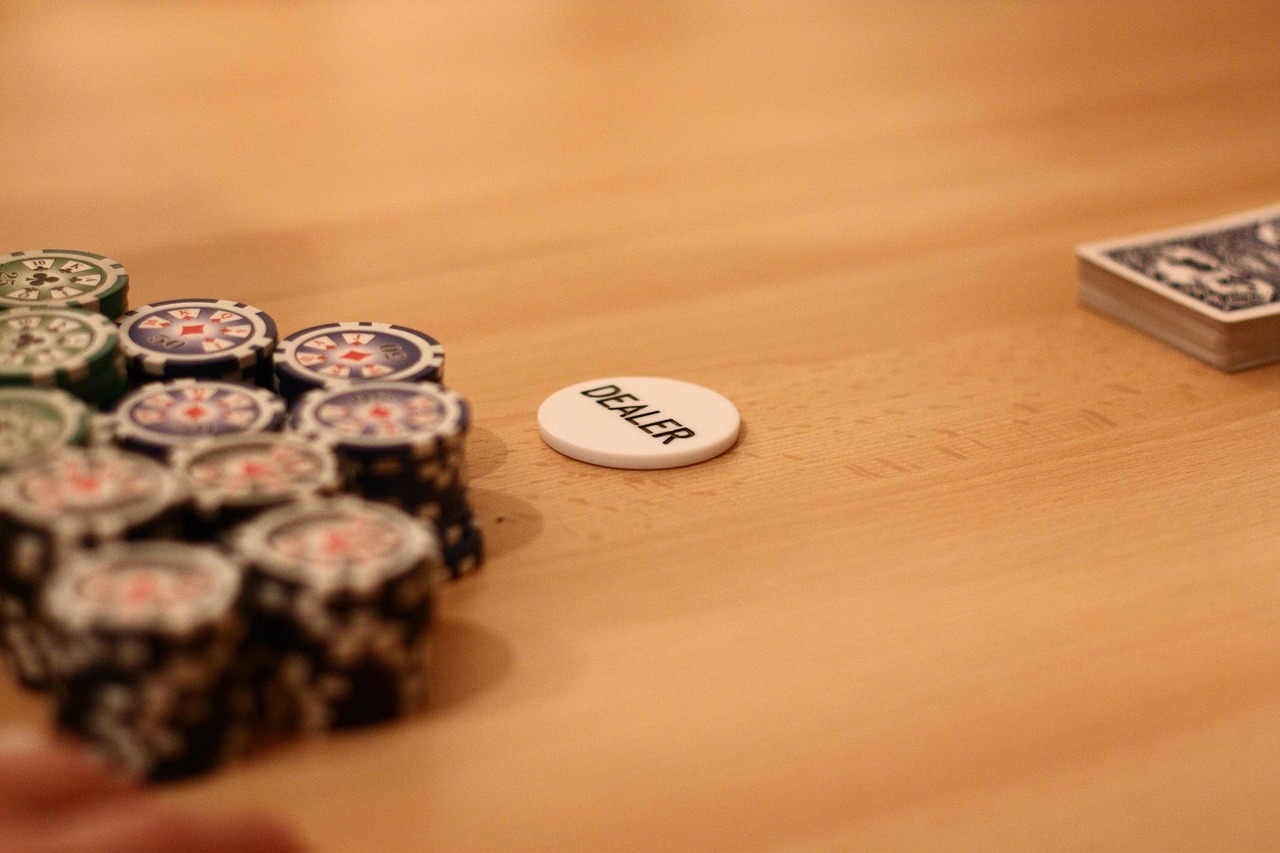
I still remember the first time I sat at a $1/$2 no-limit hold'em table in Las Vegas. I had studied charts, watched hours of strategy videos, and felt ready. Twenty minutes later, I was down two buy-ins—not because I played badly, but because I underestimated the psychological and environmental variables that separate casual players from consistent winners.
That experience taught me something that applies across the entire iGaming spectrum: the difference between gambling and gaming is preparation. Whether you're spinning slots, betting on football, or grinding micro-stakes online, the players who last—and occasionally profit—approach it like a skill, not a lottery ticket. In this article, I'll share concrete strategies for each major vertical, plus the bankroll and mindset principles that tie them together. No hype, no "guaranteed system" nonsense—just what actually works.
Bankroll Management: The Unsexy Foundation
Most casual players ignore this entirely. They deposit $100, play $5 slots spins until it's gone, then complain about bad luck. That's not bad luck; that's poor structure. Proper bankroll management means your total gambling budget is separate from your living expenses, and you size your bets relative to that budget—not your emotions. You can read more about it on 789Win.
Here's a simple framework used by professional sports bettors and poker players alike:
- Set a monthly loss limit that you can honestly afford to lose. If losing $200 would ruin your week, your limit is too high.
- Use unit sizing. In sports betting, 1–2% of your bankroll per wager is standard. For poker cash games, 5% per buy-in is aggressive; most pros prefer 2–3%.
- Adjust for variance. Slots and tournaments have higher variance than blackjack or cash-game poker. Your bankroll should be 20–50 times your average bet for slots, but only 5–10 times for blackjack (with basic strategy).
This isn't about being conservative for its own sake. It's about surviving long enough for your edge—if you have one—to materialize. Even a 55% winner in sports betting can go broke with flat $500 wagers on a $2,000 bankroll.
Slots: Understanding RTP, Volatility, and Hit Frequency
Slots get a bad reputation among "serious" gamblers, but they're mechanical and measurable. The key metrics are return to player (RTP), volatility, and hit frequency. RTP is the long-term payback percentage—typically 92–97% online. Volatility refers to how often and how wildly payouts occur. Hit frequency is the percentage of spins that result in any win, even a tiny one.
Here's how to use this instead of just spamming the spin button:
- Focus on RTP above 96%. A slot at 96.5% loses you $3.50 per $100 wagered on average, versus $8 at 92%. Over thousands of spins, that difference is massive. Check the game's help screen—reputable providers list RTP.
- Match volatility to your style and bankroll. Low-volatility slots (like Blood Sucker or classic 3-reelers) pay smaller amounts frequently. High-volatility slots (Bonanza, San Quentin) can go 200 spins without a win but may pay 5,000x. If your bankroll is $200, don't play a high-volatility slot with $2 spins—you'll bust before the bonus hits.
- Use bonuses wisely. A 100% deposit match with 35x wagering on slots means you must wager $3,500 to clear $100 bonus (plus your deposit). That's an expected loss of roughly $105–$280 depending on RTP. Sometimes the bonus is negative EV. Run the math.
One more tip: autoplay is fine, but set loss limits per session. Slots are designed to be immersive and fast—exactly why you need hard stops.
Sports Betting: Line Shopping and Closing Line Value
If you bet on sports without comparing odds across multiple books, you're leaving money on the table every single time. A point spread of -3.5 at -110 at one book might be -3.5 at -105 at another. That 5-cent difference is your entire edge over thousands of bets.
Professional bettors obsess over closing line value (CLV). The closing line is the final odds before the event starts—it's the market's most efficient price. If you consistently bet lines better than the closing line, you're likely a long-term winner. How to do it?
- Open accounts at 4–6 reputable sportsbooks (and one sharp book like Pinnacle for reference).
- Use an odds comparison tool. Even a simple spreadsheet updated during line movement helps.
- Bet early in the week for underdog moneylines and totals—lines often move toward the favorite and the over as public money arrives.
- Specialize. Don't bet every game. Pick one league (e.g., NBA player props, EPL corners) and become an expert on injury reports, weather, and pace of play.
Remember: sports betting is not about predicting winners. It's about identifying when the odds are wrong. That's a different skill entirely.
Poker: The Only Game Where You Play Against People
Slots and sports betting are you versus the house or the market. Poker is you versus other players—and the house takes a rake. That means your edge comes from exploiting opponents' mistakes, not from a statistical guarantee.
Three practical adjustments for online poker in 2025:
- Track your hands. Use a tracking tool (where allowed) to identify leaks. Are you losing money from the small blind? Folding too often to 3-bets? Data doesn't lie.
- Exploit the player pool. At micro-stakes (1c/2c to 25c/50c), most players are too loose preflop and too passive postflop. Value bet thin, bluff less, and don't try fancy plays. ABC poker prints money.
- Game select. A mediocre player at a soft table wins more than a great player at a tough table. Leave tables with two or more proven regs and find the ones with high flop percentages and short stacks.
If you're a tournament player, study ICM (Independent Chip Model) for bubble and pay-jump decisions. A single call with AJo on the bubble can cost you more equity than a dozen coin flips earlier on.
Mindset and Session Discipline
All the strategy in the world collapses if you play tilted, drunk, or desperate. I've seen winning poker players spew off five buy-ins after a bad beat. I've watched sports bettors chase losses with $500 parlays on Monday Night Football. Take a look at 789 Win for a fuller picture.
The fix is mechanical: set a session stop-loss (e.g., two buy-ins for poker, 10 units for sports betting) and a win-stop (yes, actually stop when you're up big—emotional highs cause bad decisions too). Take breaks every 60–90 minutes. Hydrate. And never, ever play with money you need for rent, bills, or your kid's school supplies.
iGaming can be entertainment, a hobby, or even a side income. But it is never a reliable income source unless you're in the top 1% of skill and discipline. Treat it with the respect you'd give any other competitive activity—and you'll enjoy it far more, win or lose.